
Food, Nutrition and Cancer
Introduction
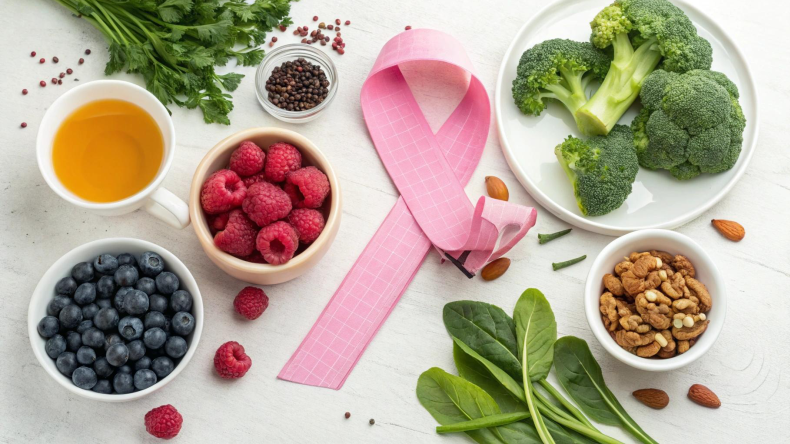
Food is an important part of everyday life. It provides the energy and nutrients our bodies need, supports normal body functions and contributes to long-term health.
Research also shows that dietary patterns can influence the risk of certain cancers. However, nutrition and cancer are complex, and no single food can guarantee protection against cancer.
At SBCAF, we encourage evidence-informed nutrition education that helps individuals understand how everyday food choices can contribute to a healthier lifestyle.
How are diet and cancer connected?
Diet may influence cancer risk through several pathways, including body weight, inflammation, metabolic health and exposure to certain substances in food.
For example, a dietary pattern rich in whole grains, vegetables, fruits and fibre is associated with several health benefits. Evidence also supports limiting processed meat to reduce colorectal cancer risk.
However, cancer risk is influenced by many factors, including age, genetics, infections, tobacco, alcohol and environmental exposures. Diet is one part of a much bigger picture.
Four healthy eating habits to consider
1. Eat more fibre-rich foods
Whole grains, beans, lentils, vegetables and fruits provide dietary fibre and other beneficial nutrients.
Whole grains and foods containing dietary fibre are important components of a healthy dietary pattern, and higher fibre intake is associated with a lower risk of colorectal cancer.
2. Include a variety of vegetables and fruits
Different vegetables and fruits provide different vitamins, minerals and other compounds that support normal body functions.
Aim for variety rather than relying on one so-called superfood. No single fruit, vegetable, juice or supplement has been shown to prevent all cancers.
3. Be mindful of processed meat
Processed meat includes products such as bacon, ham, sausages and some other preserved meat products.
Regular consumption of processed meat is associated with an increased risk of colorectal cancer. Limiting it and choosing a variety of other protein sources can be a practical step towards healthier eating.
4. Choose a balanced dietary pattern
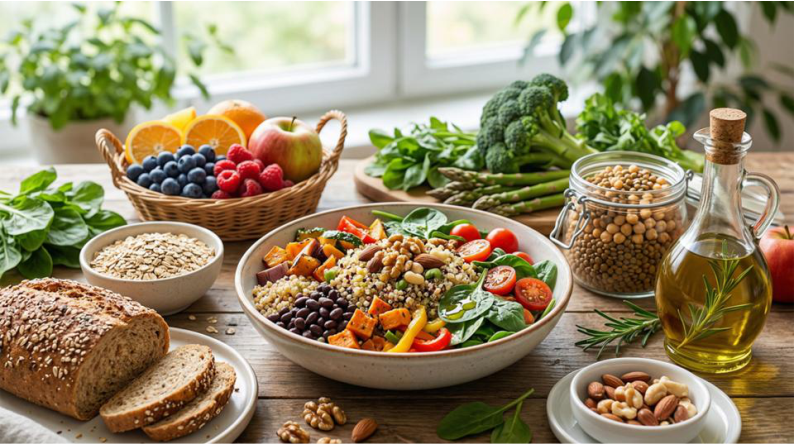
A healthy dietary pattern can include vegetables, fruits, whole grains, beans, nuts and appropriate sources of protein.
It is also helpful to limit highly processed foods that are high in salt, free sugars or unhealthy fats, particularly when they regularly displace more nutritious foods.
Healthy eating does not have to be expensive or complicated. Affordable local foods can contribute to a nutritious diet.
Are there foods that cure cancer?
No individual food, drink or diet has been proven to cure cancer.
Be cautious about claims that particular juices, herbs, supplements or restrictive diets can eliminate cancer cells or replace medical treatment. Such claims may be misleading and could delay effective care.
People undergoing cancer treatment should discuss major dietary changes and supplements with their healthcare team, because nutritional needs and treatment-related risks can differ.
What about traditional African foods?
Many traditional African diets include nutritious foods such as beans, cowpeas, vegetables, leafy greens, whole grains, nuts and seeds.
These foods can form part of a balanced dietary pattern. Preparation methods, portion sizes, food variety and the overall diet also matter.
Rather than viewing traditional foods as unhealthy, we can promote nutritious local ingredients and practical ways to prepare balanced meals.
The SBCAF perspective
We believe nutrition education should empower people, not frighten or shame them.
A healthy diet cannot guarantee that someone will never develop cancer, but informed food choices can support overall wellbeing and may reduce the risk of certain cancers.
Eat for nourishment, learn from reliable evidence, and remember that your overall lifestyle matters more than any single food.
This article is for educational purposes and is not a substitute for individual dietary or medical advice

Jenny Alexandra
Hi! beautiful people. I`m an authtor of this blog. Read our post - stay with us
Contact UsRelated Posts
Food, Nutrition and Cancer
08 Apr 2025